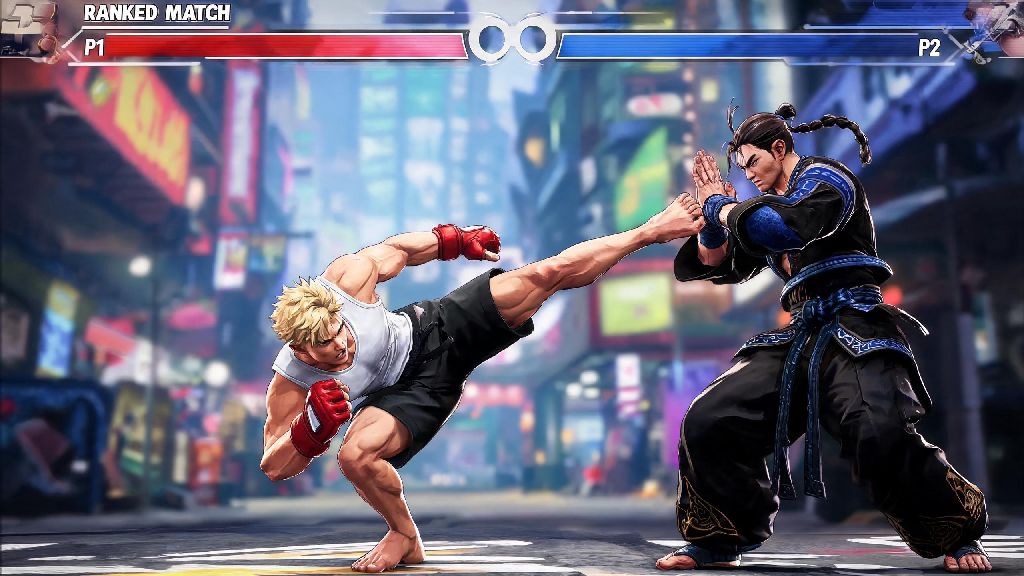
You're in the middle of a ranked Street Fighter 6 match, you land a perfect crouch medium kick on your opponent, but then you freeze, fumble the next input, and they block and punish you for it. If that sounds familiar, you're not alone. Learning how to combo Street Fighter 6 is one of the biggest hurdles new players face, but it doesn't have to be as intimidating as it looks. Most players overcomplicate combos by trying to copy pro-level 15-hit sequences first, when small, reliable combos will win you 90% of your casual and low-ranked matches. I've been playing Street Fighter for 12 years, and I still use 3-4 hit combos for 70% of my damage output in ranked play. That's the first secret you need to know: consistency always beats flash.
How to Combo Street Fighter 6: Start With the Core Fundamentals First
Before you start memorizing long combo strings, you need to understand the two core types of combos in SF6: cancel combos and link combos. Cancel combos are the easiest to start with for new players, because you don't have to worry about tight frame timing as much. A cancel is when you interrupt the animation of a normal attack with a special or super attack, before the normal's recovery frames kick in. For example, if you're playing Ryu, crouch medium punch into hadouken is a basic cancel combo that almost every character has a version of. You can pick up 2-3 of these for your main character in less than 10 minutes of practice.
Link combos are slightly more advanced, but still accessible once you get the hang of timing. These work when you wait for a normal attack's animation to fully end, then input another normal attack fast enough that your opponent can't block in between. You don't need to memorize full frame data tables to pull these off; you just need to get a feel for the rhythm of your main character's attacks. Most new players should stick to cancel combos for their first few weeks of play, then add link combos to their toolkit once they can land their basic cancel sequences 9 out of 10 times.
You'll also want to get familiar with drive rush cancels early on, since they're a core part of SF6's combo system. A drive rush cancel lets you cancel a normal attack into a drive rush, which lets you extend your combo for extra damage or better positioning. It costs one bar of drive gauge, but it's worth learning even for beginners, since it opens up a lot of simple, high-damage combo options for every character on the roster.
Build Muscle Memory With Low-Stakes Practice First
Practicing in training mode is non-negotiable for consistent combo execution, but most players do it wrong. A lot of people boot up training mode, pull up a 10-hit pro combo for their character, and spend an hour trying to land it once, then give up when they can't get it right. That's a terrible way to build muscle memory. You're far better off starting with 2-hit combos, practicing them until you can land them 20 times in a row on both sides of the screen, then moving up to 3-hit sequences, and so on. Always practice combos on both sides of the screen, because your muscle memory doesn't transfer automatically when you switch sides mid-match. I made this mistake early on, and I couldn't land a single combo when my opponent pushed me to the right side of the screen for three whole weeks.
Before you start practicing, adjust your training mode settings to match real match conditions as much as possible. I use these settings for all my combo practice sessions:
You also don't need to spend hours in training mode in one sitting. 10-15 minute practice sessions every day are way more effective for building long-term muscle memory than a 3-hour cram session once a week. After you practice your combos in training mode, jump into a couple of casual matches and try to land them against real players. You'll drop a lot of combos at first, but that's part of the process. The more you practice landing combos under real pressure, the more consistent you'll get.
Optimize Your Combos For Real Match Scenarios
Not every combo is useful in every situation, and picking the right combo for the moment is just as important as being able to execute it. For example, a 7-hit combo that does 40% damage but requires you to spend 2 bars of drive gauge is not worth it if you're going to need that drive gauge to block a super art later in the round. Prioritize combos that give you good oki (wake-up pressure) over combos that only deal extra damage, because oki lets you keep control of the match after the combo ends. For example, a 3-hit combo that knocks your opponent down close to you is way more useful than a 5-hit combo that knocks them across the screen, unless you're playing a zoner character that wants to keep distance.
You should also adjust your combos based on your opponent's position. If your opponent is trapped in the corner, you can use longer, higher-damage combos that you wouldn't be able to pull off mid-screen, since they can't get knocked away from you. If they're mid-screen, stick to shorter, more reliable combos that either knock them into the corner or give you good positioning afterwards. Don't try to extend a combo if you know you're going to drop it; it's better to end a combo early and get guaranteed damage than to drop it and get punished for your mistake. I've won so many matches because my opponent tried to go for a fancy combo and dropped it, letting me land a full punish sequence instead.
Pay attention to counter hit states too. When you hit an opponent while they're in the middle of an attack, you get a counter hit bonus that lets you do longer combos than normal. You don't need to memorize all counter hit combos right away, but make a note of 1-2 easy counter hit combos for your main that deal extra damage. These can turn a small exchange into a massive damage swing if you land them at the right time.
Fix Common Combo Mistakes That Are Holding You Back
Even if you have the inputs memorized, small mistakes can make your combos drop constantly, and most new players make the same handful of errors without realizing it. First, stop mashing inputs as fast as possible. Street Fighter 6 lets you buffer inputs for up to 5 frames before the previous move ends, so you don't have to input the next move exactly on the frame the previous one ends. If you're mashing, you're probably inputting moves too early, which causes the game to ignore your inputs and drop the combo. Slow down your inputs and focus on getting the rhythm right, not going as fast as you can.
Another common mistake is over-reliance on drive rush combos. Drive rush is an incredibly powerful tool, but it uses up drive gauge, and if you burn out your drive gauge, you're left incredibly vulnerable to enemy attacks. I see so many new players burn through their entire drive gauge in the first 10 seconds of a round trying to land a fancy drive rush combo, then get stuck blocking for the rest of the round because they can't parry or drive rush out of pressure. Only use drive rush in combos when you know it will lead to a kill, or when you have enough drive gauge left to defend yourself afterwards.
Turn on "combo counter" in training mode to see exactly where your combo is dropping, so you don't waste time practicing the wrong part of the sequence. If your combo always drops after the third hit, you don't need to practice the whole combo over and over; you just need to practice the transition between the second and third hit until you get it right. You should also make sure you're hit confirming before you commit to a combo. If you throw out a crouch medium kick and it gets blocked, don't try to do the rest of the combo, because you'll just get punished. Wait for the hit to connect, then input the rest of the combo sequence. That small habit will save you from so many unnecessary punishes.
At the end of the day, learning how to combo Street Fighter 6 is all about small, consistent improvements instead of trying to master everything at once. Start with 2-3 easy, reliable combos for your main character, practice them until you can land them 9 out of 10 times, then slowly add more complex sequences to your toolkit. You don't need to pull off pro-level combo videos to climb the ranks; even simple, consistent combos will help you win way more matches than you lose. Next time you boot up the game, spend 10 minutes practicing one combo, then take it into a casual match to test it out. You'll be surprised how fast you improve.