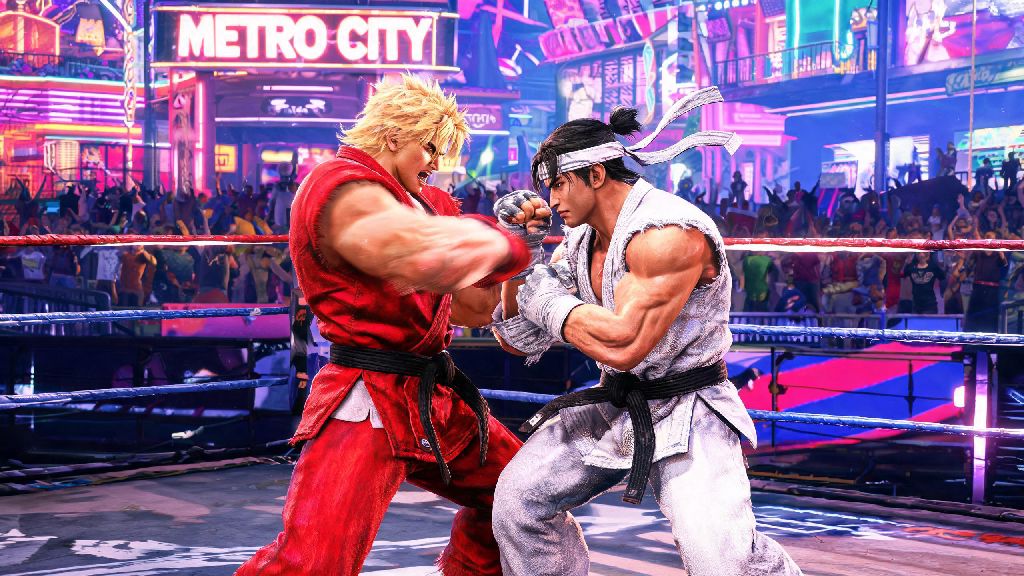
You’re mid-ranked match, stuck in the corner while your opponent spams Drive Rush light punch strings and jump-ins, and you can’t find a single opening to fight back. We’ve all been there, and it’s one of the most frustrating experiences in the game. If you’re tired of getting pressured into taking round-ending damage, learning how to counter in Street Fighter 6 is the single most impactful skill you can add to your toolkit right now. I’ve spent 400+ hours in ranked play and local tourneys testing every counter method across all character types, so these tips are all battle-tested for players of every skill level, from bronze to diamond.
How to Counter in Street Fighter 6 By Nailing Punish Windows First
Every move in Street Fighter 6 has a set number of recovery frames after it lands, whiffs, or gets blocked. When an opponent is in recovery, they can’t block, throw, or attack, which creates your perfect window to punish. You don’t need to memorize every single frame data value for every character right off the bat, though. Start with the most common moves you see opponents use in your rank bracket, and learn their punish windows first.
You don’t need to use your biggest combo for every punish, either. For example, if an opponent whiffs a heavy Dragon Punch, you get nearly 30 frames of recovery time to land your highest damage combo, but if they just land a blocked light punch, you only have 2-3 frames to counter with a fast jab or throw. I used to waste super meter trying to land big combos on small punishes, until I realized small, consistent damage adds up far faster than missed big punishes.
If you want to practice, head to training mode, turn on the frame data display, and test the most common moves for the characters you fight most often. You’ll quickly learn which blocked or whiffed moves give you enough time to land big damage, and which only leave room for small counters. Each of these patterns has a simple, repeatable counter that works across every character if you're still learning how to counter in Street Fighter 6 for the first time.
Use the Drive Gauge to Turn Defense Into Offense
The Drive Gauge is SF6’s biggest mechanical difference from past Street Fighter games, and it gives you more counter options than any other fighting game on the market right now. Learning to use all of your Drive Gauge tools correctly will make you almost impossible to pressure, as long as you don’t burn through your gauge too fast.
Drive Parry is the single most versatile counter tool in SF6. If you parry a move, you get small frame advantage even if it’s part of a multi-hit combo, and a perfect parry (timed exactly as the move hits) gives you enough frame advantage to land a full combo. But don’t parry everything, because parry attempts leave you vulnerable to throws, and missing a parry costs you extra Drive Gauge. I usually only parry when I see an opponent throw a heavy move or a projectile from far away, since those are far less likely to be followed by a throw.
Drive Reversal is your go-to “get off me” tool when you’re stuck in the corner. It costs 2 bars of Drive Gauge, and you can use it while blocking to knock your opponent away and reset neutral. Don’t use Drive Reversal if you’re low on Drive Gauge, though, because getting burnt out will make you take 20% extra damage and leave you completely vulnerable to big punishes. Save it for when you’re one combo away from losing the round, and you have no other way out of pressure.
Counter Specific Common Offensive Patterns Most Players Use
Most casual to mid-ranked players rely on the same 3-4 offensive patterns over and over, so you can counter them effectively even if you don’t know their character’s full moveset. After hundreds of matches, I’ve narrowed down the three most common patterns, and the simple counters that work for every character:
That doesn’t mean you should stick to this mix 100% of the time, though. If you notice your opponent only throws when they’re one hit away from winning the round, you can prioritize teching or counter-hitting those throws specifically to catch them off guard. I’ve won dozens of close rounds by switching to 100% throw counters when I notice an opponent getting greedy for that easy round-ending throw damage.
Adapt Your Counter Strategy to Your Opponent's Playstyle
Countering isn’t a one-size-fits-all skill, and the strategies that work against a rushdown player won’t work against a zoner. You need to adjust your counter play based on what character your opponent is using, and what habits they show in the first 30 seconds of the match.
If you’re playing against a rushdown character like Jamie or Kimberly, they’re going to be in your face nonstop, so you should prioritize fast punishes and parries instead of big slow combos. If you try to land a heavy punch every time they pressure you, you’ll get hit before your move comes out. Stick to 3-frame jabs, throws, and Drive Reversals to reset neutral, then go for big damage when they whiff a heavy move.
If you’re playing against a zoner like Dhalsim or JP, they’re going to spam projectiles from far away to keep you at distance. You can counter them by parrying projectiles to build Drive Gauge, then Drive Rush through their fireballs to close the gap and start your own pressure. Always spend the first 30 seconds of the match just observing your opponent's habits, don’t try to counter everything right away. If you notice they always use a heavy invincible reversal when you pressure them on wake-up, you can bait it out, block, then punish with a full combo for massive damage.
Higher ranked players will mix up their options far more than lower ranked players, so you’ll need to be less predictable with your counters too. Don’t parry every projectile, don’t tech every throw, and don’t punish every small move. Mix up your options just like you mix up your offense, and you’ll catch your opponent off guard far more often.
At the end of the day, getting good at counters is all about practice and observation, not just memorizing frame data. You don’t have to be a pro tour player to get consistent wins once you learn how to counter in Street Fighter 6, you just have to be willing to adjust your strategy mid-match and learn from your losses. Spend 10 minutes a day in training mode practicing parry timing and punishes for your most commonly faced moves, and you’ll see your rank climb faster than you expect. Next time you’re stuck blocking in the corner, don’t panic: pick the right counter for the situation, and turn that defense into a win.