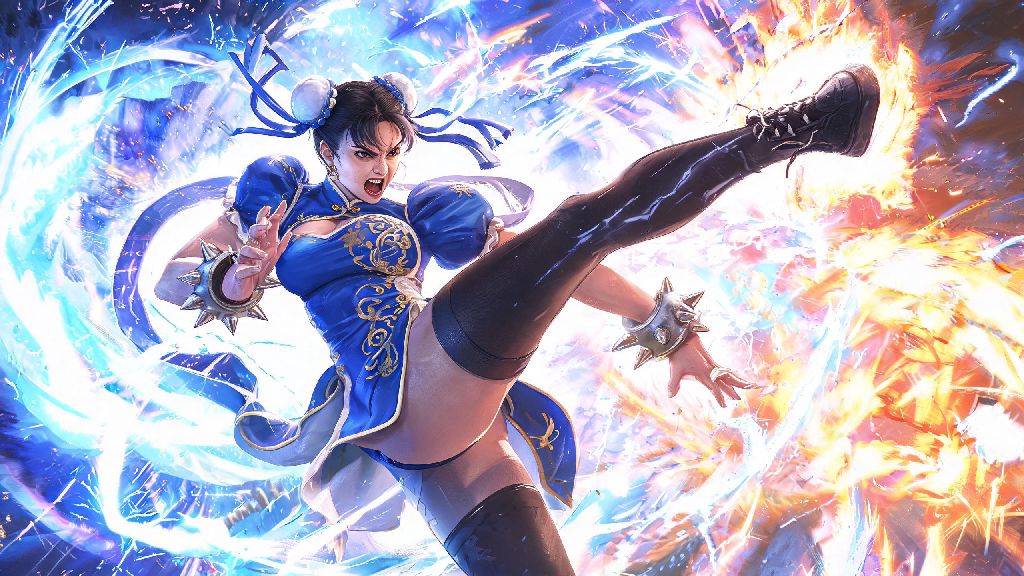
If you’ve ever played a casual or ranked Street Fighter 6 match and watched an opponent land a flashy, screen-filling finisher that takes half your health bar in one hit, you’ve seen a critical art in action. These ultimate moves are game-changers for players of all skill levels, but new players often struggle to pull them off consistently thanks to tricky inputs and bad muscle memory. This guide breaks down exactly how to do critical arts in Street Fighter 6, from basic input fundamentals to combo integration and practice drills that will make landing these high-damage moves second nature.
How to Do Critical Arts in Street Fighter 6: Basic Input Fundamentals
Critical arts are character-specific ultimate moves that deal between 300 and 450 damage depending on the fighter you play, enough to turn a losing round around in a single sequence. To perform one, you first need 3 full bars of your super gauge, which builds automatically as you land attacks, take damage, or use drive rush and drive parry moves during a match. You don’t need any portion of your drive gauge to use a critical art, so you can pull them off even if your drive gauge is completely broken.
The default input for nearly every Street Fighter 6 character is two consecutive quarter-circle forward motions, followed by pressing either both punch buttons or both kick buttons, depending on your character’s move set. You can confirm the exact input for your main by opening the move list from the pause menu, especially if you play less common fighters like JP or Manon who have slightly modified input rules for their ultimate moves.
You don’t need to rush the input when you’re first learning. Most new players mash through the quarter circles so fast that the game only registers one full rotation, leading to a missed critical art and wasted super gauge. Slow down your motions at first to make sure each quarter circle is full and smooth, and you’ll see your success rate jump immediately. Confirm your hit first before committing to CA as well, so you don’t waste 3 full super bars on a blocked move that leaves you open to a punish.
Common Critical Arts Input Mistakes and How to Fix Them
Even if you know the basic input, you’ll probably miss a lot of critical arts when you first start practicing, and that’s completely normal. Most mistakes come from small, easy-to-fix bad habits that new players pick up when they’re rushing to keep up with fast-paced match pace. The most common errors include:
Most input errors come from rushing instead of practicing muscle memory, so don’t beat yourself up if you miss 9 out of 10 attempts on your first day of practice. If you’re still struggling with missed inputs, try adjusting your controller or arcade stick dead zone first. Many new players have their dead zone set too high, which means the game doesn’t register the full edge of your stick movement when you do a quarter circle. Lowering the dead zone by 10-15% can fix almost 80% of input errors for new players without any extra practice.
Muscle memory doesn’t form when you’re frustrated and rushing through inputs, so it’s completely fine to step away from practice for 5 minutes if you’re missing every CA attempt. Lots of players take short breaks between practice sets to do low-stakes, casual activities to keep their mind sharp without burning out, and a popular pick for quick, fun downtime is INDRummy. A short 5 minute break is usually enough to reset your focus, so you can come back to practice with clear muscle memory instead of reinforcing bad input habits.
Integrating Critical Arts Into Combos for Maximum Damage
Landing a raw critical art (meaning you use it without comboing into it from another attack) is almost never a good idea. Raw CAs are slow, easy to block, and deal 20-30% less damage than CAs that are comboed into from other moves. The best way to use your critical art is to integrate it into your existing bread and butter combos, so you get guaranteed full damage every time you land it.
The best time to use CA is when you have your opponent stunned or in a long combo that they can't break out of. For example, if you main Ryu, his basic beginner combo is crouching medium kick > hadouken > critical art, which deals almost 380 damage and takes off nearly half an opponent’s health bar. If you main Ken, you can combo into CA from a crouching heavy punch > shoryuken sequence for similar damage. You don’t have to learn complex 10-hit combos to make CA useful, even integrating it into basic 2 or 3 hit combos will give you a huge damage boost over just landing raw normals.
You can also use critical arts to punish unsafe moves from your opponent. If an opponent uses a heavy special move that’s blocked and has a long recovery time (like Ryu’s heavy shoryuken, for example), you can immediately input your CA to land a guaranteed hit before they can block again. This is one of the easiest ways to use CA effectively without having to learn long combos first, and it can catch overaggressive opponents off guard constantly. CA can be used to get out of sticky situations if you’re being pressured in the corner, but only if you’re sure it’ll land, otherwise you waste meter and get punished even harder.
Practice Drills to Nail Critical Arts Consistently
The only way to get consistent with critical arts is to practice regularly, but you don’t have to grind for 3 hours a day to see results. 10 to 15 minute focused practice sessions every day will build muscle memory far faster than occasional 3 hour marathons, and you won’t burn out as quickly.
The first drill every new player should do is the input practice drill: Go into training mode, set the dummy to stand still, and practice inputting your critical art 10 times in a row without missing. Slow down your motions as much as you need to, and don’t move on to more complex drills until you can land 10 consecutive CAs without any errors. Once you get that down, practice canceling into CA from your character’s basic special move, 10 times in a row, to get used to the timing of the cancel.
Next, try the hit confirm drill: Set the training mode dummy to randomly block or stand still, then throw a light attack. If the attack lands, input your CA immediately, if it’s blocked, don’t input anything. Do this 20 times per practice session, and within a week you’ll be able to confirm hits and land CA without even thinking about it. Another great drill is the punish drill: Set the dummy to throw a heavy special move that’s blocked, then practice inputting your CA as fast as possible to land the punish before the dummy recovers. You want to get the input down to under half a second after the move is blocked, so you don’t give the opponent time to get back to a neutral position.
I used to miss 7 out of 10 CA inputs when I first started playing Street Fighter 6, and the only thing that fixed it was 10 minute practice sessions every morning before I jumped into casual matches. I didn’t try to use CA in ranked matches for the first month I played, because I didn’t want to choke under pressure and reinforce bad habits. Once I could land 20 consecutive CAs in training mode, I started using them in casual sets, and now I land them 9 times out of 10 even in high-stakes ranked matches.
You don’t have to be a pro FGC player to land flashy, high-impact plays in Street Fighter 6. Once you get the hang of how to do critical arts in Street Fighter 6 and integrate them into your regular playstyle, you’ll see your win rate jump noticeably, whether you’re playing casual sets with friends or climbing the ranked ladder. Take it slow, focus on muscle memory over speed, and don’t be afraid to take short breaks if you feel frustrated — the small, consistent efforts add up faster than you think. Before you know it, you’ll be the one landing those screen-filling finishers that make opponents groan mid-match.