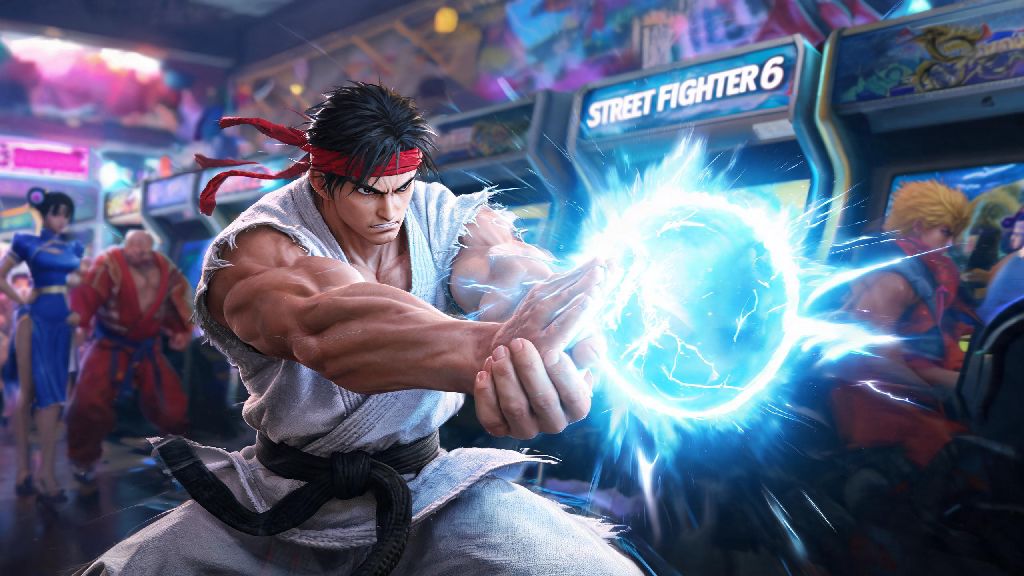
You’re in a ranked Street Fighter 6 match, your opponent is low on health, you throw a regular hadouken that they block, and you lose the round by a sliver. If you’d used an EX version of that move, you would have broken their guard and taken the win. That’s why so many new players search for how to ex moves street fighter 6 once they hit the first skill wall in casual or ranked play. EX moves are the boosted, more powerful versions of a character’s special attacks, and they’re not nearly as hard to pull off as you might think, even if you’re still struggling with basic combos. I’ve been playing Street Fighter games for over 12 years, and I still see even intermediate players mess up EX move inputs all the time because they’re following outdated advice from older entries in the series. I still remember the first time I lost a local tournament match because I flubbed an EX hadouken input, so I spent a whole weekend drilling these exact techniques to make sure I never made that mistake again. This guide breaks down everything you need to know to nail these moves consistently, no matter what controller or input style you use.
How to EX Moves in Street Fighter 6: Core Input Basics
First, let's clear up a common misconception: EX moves don't require you to press two attack buttons at the exact same millisecond, like they did in some older Street Fighter titles. Capcom added a 4-frame input window for simultaneous presses in SF6, so you have a tiny bit of leeway if your fingers are a little out of sync. The base rule for every EX move is simple: perform the regular special move input, then press two of the same attack type buttons instead of one. For example, if a regular hadouken is down, down-forward, forward + light punch, the EX hadouken is down, down-forward, forward + light punch + medium punch.
You don't have to press heavy punch unless the move specifically calls for it, though some players prefer to press all three to avoid missing the input, which we’ll cover later. That's the core rule that applies to every character in the roster, from Ryu to Zangief to Jamie. You'll also need at least one bar of your Drive Gauge to use an EX move, so don't waste all your gauge on Drive Rushes if you know you need an EX move to finish off an opponent.
Common EX Move Input Mistakes and How to Fix Them
Even if you know the basic input rule, you might still be missing EX moves more often than you land them, and that's almost always down to small, fixable errors. I see the same three mistakes pop up in 90% of low-rank matches where players complain they can't pull off EX moves consistently.
Mapping a dedicated EX button is a game-changer for a lot of players, especially if you’re playing on a standard PlayStation or Xbox controller with no extra paddles. You can set one of the unused shoulder buttons to trigger two punch or two kick inputs at once, so you only have to press one button after the special move input to trigger an EX move. There’s no shame in using this setting, either: even pro players use custom button maps to make their inputs more consistent.
Best Situations to Use EX Moves in Matches
Knowing how to pull off EX moves is only half the battle; you also need to know when to use them so you don’t waste your Drive Gauge on unnecessary attacks. EX moves are most valuable when they can turn the tide of a round, not just when you want to show off a fancy attack. For example, if your opponent is spamming projectiles from across the screen, an EX fireball will travel faster, hit harder, and beat out their regular projectiles every time, forcing them to change their playstyle.
Another great use case is when you’re ending a combo: EX moves usually deal extra damage and have better knockback, so you can tack an EX move onto the end of a basic combo to get 30-40% more damage than you would with a regular special move. You can also use EX moves to break through an opponent’s guard if they’re turtling: many EX moves have guard break properties, or push the opponent back far enough that you can reset your position and start a new pressure sequence.
Don’t waste EX moves on random attacks when you’re far away from your opponent, though. You only get six bars of Drive Gauge per round, and each EX move costs one bar, so you want to save those bars for moments where they’ll make the biggest difference. If you’re playing a character with low health, saving an EX move for a reversal when you get knocked down can get you out of a sticky situation and even turn a losing round around.
Training Drills to Master EX Moves Consistently
The fastest way to get good at EX moves is to practice them in training mode first, instead of trying to pull them off for the first time in a ranked match where you’re stressed. Start with the easiest drill first: pick Ryu, stand in the middle of the training stage, and practice throwing 10 EX hadoukens in a row, making sure each one registers correctly. If you’re missing more than 1 out of 10, slow down your inputs and make sure you’re pressing both punch buttons at roughly the same time. Once you can land 10 in a row standing still, start practicing while moving forward and backward, since you’ll almost never be standing completely still in a real match.
Next, practice adding EX moves to the end of basic combos. For Ryu, that could be cr. medium punch, stand medium punch, EX hadouken. Do this 10 times in a row, and if you miss one, reset the count. This drill builds muscle memory for using EX moves in the middle of a sequence, not just as a standalone attack.
The final drill is to practice using EX moves as reversals. Set the training dummy to knock you down with a heavy attack, then practice inputting an EX shoryuken as soon as you get up to counter their follow-up attack. This is a more advanced drill, but it’s one of the most useful skills you can have in ranked matches, since it stops opponents from pressuring you nonstop after a knockdown. Don’t get frustrated if you miss a lot at first: it usually takes 1-2 hours of focused practice to get EX moves down consistently, and you’ll still miss the occasional input when you’re stressed in a high-stakes match. That’s totally normal, even for experienced players.
At the end of the day, learning how to ex moves street fighter 6 isn’t about being a pro at lightning-fast inputs, it’s about learning the basic rules, fixing small input mistakes, and practicing intentionally until the motions feel natural. Once you can pull off EX moves consistently, you’ll notice a huge jump in your win rate, since you’ll have access to way more damage and counterplay options than players who only use regular special moves. Take 15 minutes before your next play session to practice the drills we covered, and you’ll be landing EX moves in real matches before you know it.