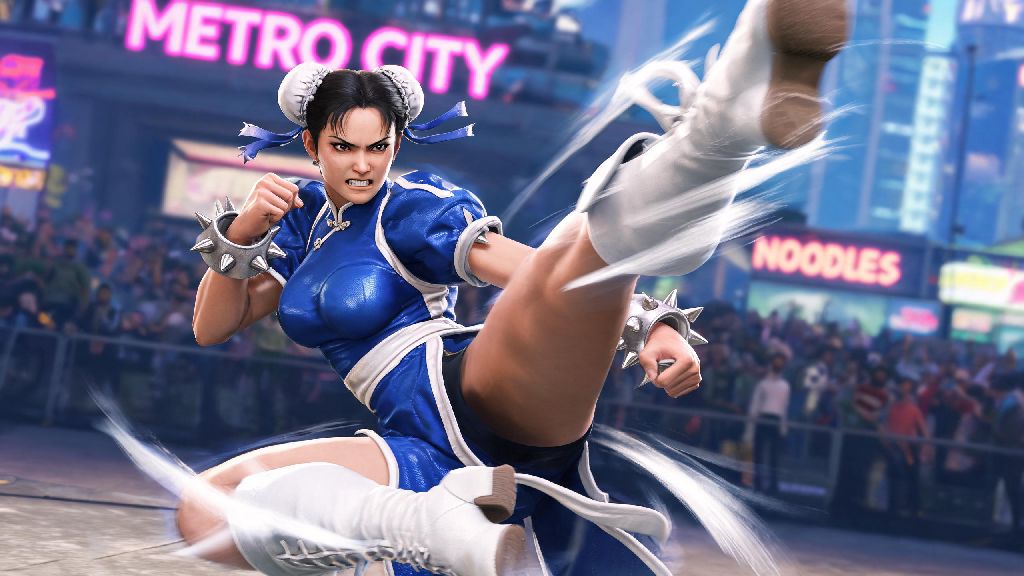
If you’ve ever launched a heavy kick at an opponent only to have them block, counter, and wipe half your health bar in response, you already know that kicks are far more than just a random button press in Capcom’s latest fighting game. Learning how to kick in Street Fighter 6 effectively is one of the fastest ways to climb ranked ladders, pressure opponents, and open up combo routes you never thought possible. I spent my first three months with the game spamming heavy kick every time my opponent was a few steps away, and it took losing 12 straight ranked matches to a Ryu main to realize I was using one of my strongest tools completely wrong. This guide breaks down everything you need to know to use kicks intentionally, not just as a panic button.
How to Kick in Street Fighter 6: Basic Inputs and Kick Types Explained
First, let’s cover the basics you might have skipped if you jumped straight into casual matches. SF6 has three dedicated kick buttons mapped by default to light, medium, and heavy strength, each with unique use cases and frame data. Light kicks are the fastest, with most characters having a 3-5 frame startup, making them perfect for interrupting opponent combos or pressuring someone who’s blocking close to you. They don’t deal much damage, but they’re almost impossible to punish if you land them at the right range. If you’re still getting used to kick mechanics, start by practicing light kick timing first, as it’s the lowest risk option for new players.
Medium kicks sit in the middle of speed and damage, working great for footsies (the back-and-forth range game at mid screen) and chaining into simple combos. Most medium kicks have a slight forward range boost, so you can catch opponents who are trying to back away from your pressure. Heavy kicks are the slowest but highest damage, with many dealing knockback or causing a crumple state if they land as a counter hit. They’re also the easiest to punish if you whiff, so you never want to throw them out randomly without confirming your opponent is in range.
Common Kick Mistakes That Get You Punished (And How to Fix Them)
When I first started working on my kick game, I kept making the same three mistakes over and over, and almost every new player I’ve coached runs into the exact same issues. Fixing these will immediately cut your loss rate in half, no exaggeration:
One quick test you can run in training mode is to set the dummy to block randomly, and practice mixing up your kick heights and strengths for 10 minutes a day. After a week, you’ll notice your opponents can no longer predict your moves half as easily. Even small adjustments to your kick approach can make a massive difference in your performance, even if you don’t have complex combos memorized yet.
Advanced Kick Techniques for Combos and Pressure
Once you’ve got the basics down and fixed your common mistakes, you can start incorporating advanced kick techniques to turn small hits into huge damage. Drive rush kicks are by far the most useful advanced kick tool in SF6. By holding the drive rush input and pressing a kick button, you can close 2-3 steps of distance almost instantly, and most drive rush medium kicks have +2 to +4 frame advantage on block, meaning you can keep pressuring even if your opponent blocks the hit. You only spend one bar of drive gauge for a drive rush kick, so it’s a low cost way to open up defensive opponents.
Counter hit heavy kicks are another high reward tool. If you land a heavy kick right as your opponent is starting their own move, you’ll get a counter hit, which for most characters causes a crumple state that lets you land a full 30-40% damage combo. You can use this to punish opponents who like to spam jump ins or slow heavy punches. Kick canceling is another trick you can use for extended combos. For most characters, you can cancel a light or medium kick into a special kick move (like Chun-Li’s Spinning Bird Kick or Jamie’s drink kick) as long as the first kick lands. This turns a 5% damage light kick into a 25% damage combo in half a second. Just make sure you only cancel when you confirm the first kick landed, otherwise you’ll waste a special move and leave yourself wide open for punishment.
Character-Specific Kick Tips for Popular SF6 Fighters
Kick functionality varies a lot between characters, so it’s important to learn the quirks of your main’s kick kit to get the most out of them. For Ryu and Ken players, Tatsumaki Senpukyaku (the spinning kick special) is a versatile tool that can be used to punish jump ins, end combos, or even cross up opponents if you use the light version. Just avoid using the heavy version at long range, as it’s extremely easy to block and punish. Chun-Li players have access to the most diverse kick kit in the game, with multiple standing, low, and air kicks that cover almost every range. Her Lightning Kick is great for pressure, but make sure you don’t spam it too much, as it leaves you at a huge disadvantage if blocked.
For Jamie players, your kicks get stronger the more drinks you have, so you want to prioritize using light and medium kicks to pressure opponents early, then switch to heavy kick combos once you have 2-3 drink stacks. If you play a grappler like Zangief, don’t sleep on his long-range medium kick. It has surprisingly far reach, and you can use it to pressure opponents at mid range before closing in for a throw. No matter who you main, spend 15 minutes in training mode testing all of your kick moves at different ranges, and note which ones leave you at an advantage or disadvantage on block. That small bit of practice will give you a huge edge over players who only learn kick inputs by spamming them in casual matches.
At the end of the day, mastering kicks is all about intentionality, not spamming the hardest hitting move every time it’s off cooldown. Once you learn how to kick in Street Fighter 6 with purpose, mixing up ranges, strengths, and heights to keep your opponent off guard, you’ll see your win rate climb faster than you ever thought possible. Don’t get discouraged if you still whiff kicks or get punished every now and then — even pro players mess up heavy kick timings during major tournaments. The best thing you can do is jump into a few casual matches today, test out one or two of the tips we covered, and build from there.