If you’ve ever stood at the edge of a Street Fighter 6 round, watching your opponent land a flashy, high-damage super art that wipes out half your health bar in seconds, you’ve probably wondered how to pull off the same move reliably. It’s easy to assume these moves are only for pro players with thousands of hours of fight stick practice, but that’s not the case at all. Almost anyone can learn how to do super art street fighter 6 with a little targeted practice and a clear understanding of the game’s core mechanics. You don’t need perfect reaction time or elite level skills to land these moves and turn the tide of any casual or ranked match.
Core Pre-Requisites to Unlock and Use Super Art in SF6
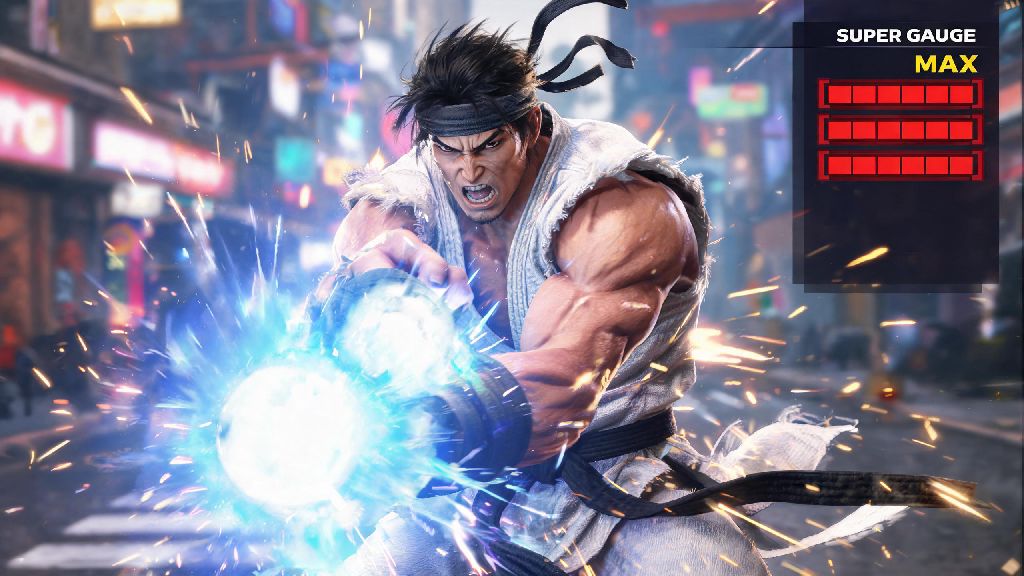
Before you start practicing inputs, you need to understand how the super gauge works in Street Fighter 6. The gauge is the small bar split into three segments right under your health bar, and it fills up as you play through a match. You earn gauge for landing hits on your opponent, blocking incoming attacks, taking damage, and even using drive system moves like drive rush or drive parry. Level 3 supers, the most powerful version of super art, cost all three segments of your super gauge to use, so you’ll have to play a few minutes of a round before you can trigger one.
You don’t lose your built-up super gauge when you lose a round, either, so it’s often worth saving your gauge for the final round instead of wasting it early on low-damage plays. If you’re ever unsure what your character’s super art inputs are, you can check your character's full move list at any time by pausing the match and navigating to the move list tab. Every character has at least three super art options (one for each gauge level), so take a minute to familiarize yourself with them before jumping into a match.
How to Do Super Art in Street Fighter 6 for All Characters
The good news is that super art inputs are mostly universal across the entire Street Fighter 6 roster, no matter which character you main. For classic control scheme users, most level 1 and level 2 supers use a single quarter-circle forward or backward motion paired with two attack buttons of the same type, while level 3 supers almost always use a double quarter-circle motion paired with a heavy punch or heavy kick button. The exact input varies a little by character, but the core motion stays consistent for almost every fighter on the roster.
Modern control scheme users can trigger super art with a single button + direction combination, no complex motion inputs required. If you’re a new player still getting used to fighting game inputs, the modern control scheme is a great way to practice using supers in real matches without getting frustrated by missed inputs. You will deal slightly less damage with supers on modern controls, but the tradeoff for consistent execution is almost always worth it for new players.
To test your inputs, head to training mode first. Set the super gauge to infinite so you can practice as much as you want without waiting for the gauge to fill. Start slow, making sure you’re completing the full motion before pressing the attack button. Most new players rush the input and end up with a random special move instead of a super, so take your time at first and speed up gradually as you get more comfortable.
Pro Tips to Land Super Art Consistently in Matches
Knowing the input is only half the battle; you also need to know when to use your super art to make sure it lands instead of getting blocked or whiffing entirely. I’ve played hundreds of casual and ranked matches over the past year, and these are the three tips I share with every new player asking how to land supers more often:
Another good trick is to cancel drive rushes into super for surprise cross-up plays. If you rush toward your opponent with a drive rush and jump over them mid-rush, you can trigger your super immediately after landing to catch them off guard while they’re still adjusting their block direction. Just note that this uses up a chunk of your drive gauge too, so only do it if you’re confident the super will land.
Common Super Art Mistakes to Avoid for New Players
Even if you have the input down perfectly, there are a few common mistakes that will make your supers miss or leave you open to counterattacks. The most frequent mistake I see new players make is wasting their super gauge on random level 1 supers at the start of a round when their opponent is at full health. Level 1 supers don’t deal enough damage to justify the gauge cost in most cases, and you’re better off saving that gauge for a level 3 super later in the round that can finish off a low-health opponent.
Whiffing super because you didn’t check your range first is the second most common mistake. If you throw out a super when your opponent is just out of range, you’ll be stuck in a long animation where you can’t block or move, and your opponent will get a free punish that deals more damage than your super would have. Always make sure you’re close enough to hit before you input the super motion.
You also want to avoid using super when your opponent has full drive gauge. Most players will immediately parry a super they see coming, and parrying a level 3 super fills up their own super gauge almost entirely for free. Wait to use your super until their drive gauge is low, or use it as a punish after they miss a move so they don’t have time to react and parry. If you’re playing on a controller, use the d-pad instead of the analog stick for inputs, too. Analog sticks are more prone to misreading quarter-circle motions, especially if you’re rushing the input.
At the end of the day, learning how to do super art street fighter 6 is far easier than most new players assume. Spend 10 to 15 minutes in training mode practicing your inputs, test out the timing in a few casual matches, and you’ll be landing level 3 supers consistently before you know it. Don’t get discouraged if you miss a few inputs at first, even pro players flub super inputs every now and then. Once you get the hang of it, supers will become one of the most valuable tools in your kit to win tight rounds and climb the ranked ladder.