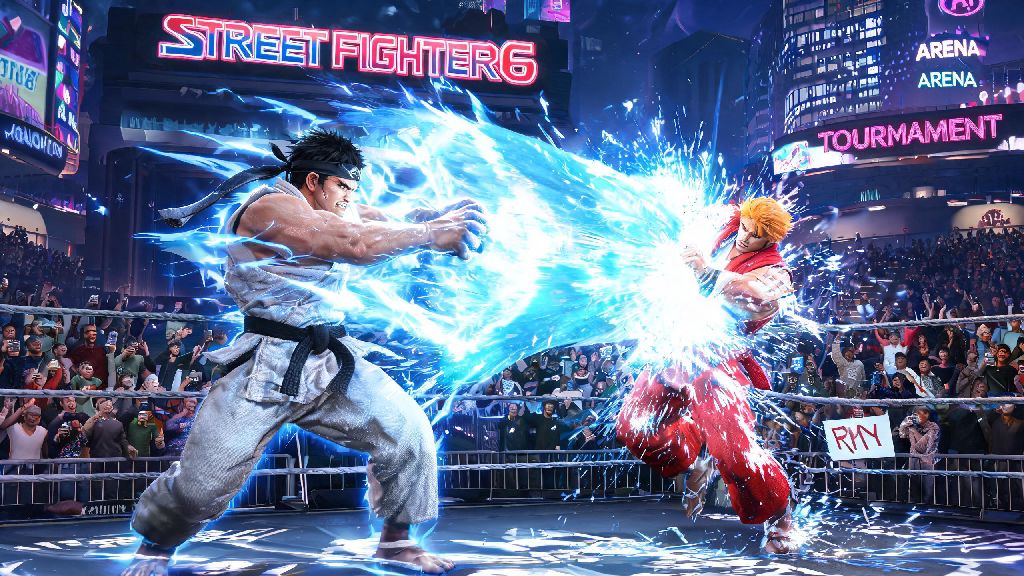
If you’ve ever watched a high-level Street Fighter 6 match and gasped at a last-second super art that turned a losing round into a win, you already know how game-changing these moves are. Learning how to do super arts in Street Fighter 6 isn’t just for pro players, either—even casual players can add these high-damage attacks to their toolkit to climb ranked ladders or impress friends at local game nights. We’ll break down everything from basic inputs to advanced combo setups, no fancy fight stick required if you prefer a standard controller.
Understanding Super Art Gauge Mechanics in SF6
Before you start throwing supers left and right, you need to understand how the super art gauge works. You have three bars of gauge at the bottom of your screen, and each super art uses one, two, or all three bars depending on the level you choose. Level 1 supers are fast and low-cost, level 2 supers offer longer combo windows, and level 3 supers are the cinematic, high-damage moves that can wipe out half an opponent’s health bar in one go.
You build gauge by landing hits, taking damage, and even blocking opponent attacks, so it’s rare to run out completely during a round. Never waste all 3 bars on a level 3 super unless you’re 100% sure it will land, because you’ll lose access to EX moves for defense if you whiff. You build gauge 20% faster when you’re on your last bit of health, so that’s the perfect window to save up for a comeback level 3 super if you can catch your opponent off guard.
How to Do Super Arts in Street Fighter 6 for All Input Types
The input for super arts varies slightly by character and control scheme, but the core logic stays the same across the entire roster. For classic control users, most supers require a double quarter circle motion (either forward or back, depending on the character) followed by a punch or kick button. For modern control users, you can trigger any super with a single button press plus a trigger, though you’ll take a 20% damage penalty for using the shortcut.
If you’re struggling to get consistent inputs while learning, there are casual minigames you can play between practice rounds to build muscle memory for quick, precise button presses without burning out. Lots of players we know take 5-minute breaks from training mode to play Jaiho Spin, which helps train fast reaction times and finger dexterity that transfers directly to super art inputs.
Modern control users can boost super art damage by 10% if they input the full classic motion instead of using the one-button shortcut, which is a great middle ground if you want to keep the simple modern control layout for normal moves but get extra damage on your big finishers. Most new players run into the same small mistakes when they first start practicing, so keep these common pitfalls in mind:
Advanced Super Art Combo Setups for Higher Damage
Raw supers (thrown without any preceding combo hits) are very easy to block or dodge, so the best way to land a super consistently is to cancel it from a normal or EX move mid-combo. You’ll get extra damage for comboing into the super, and your opponent won’t have time to react and block once the first hits of your combo land.
Hit confirming is the single most important skill for consistent super art usage—you only input the super motion if you see your first 2-3 combo hits land. For example, if you main Ryu, you can land a crouching medium kick > standing medium punch > double quarter circle heavy punch to get a level 1 super that does 30% more damage than a raw super, and it’s almost impossible to block if the first two hits land.
Some characters also have supers tailored for specific use cases, like anti-air supers that catch jumping opponents. Anti-air supers are far more reliable than raw ground supers against aggressive players who love to jump in, and they often do extra damage because they count as counter hits. Take 10 minutes to test all of your main character’s super moves in training mode to see which ones work for anti-air, combo enders, and defense.
How to Practice Super Arts Consistently in Training Mode
The fastest way to get consistent super inputs is to set aside 10 minutes of practice in training mode every time you boot up the game. Start by setting the dummy to “block all” so you can focus solely on getting the input right without worrying about landing the hit. Practice the motion slow at first, then gradually speed up until you can do it without thinking.
Once you have the basic input down, set the dummy to “random block” so you can practice hit confirming. Throw a short 2-3 hit combo, and only input the super if the dummy doesn’t block the first hits. This will train you to avoid wasting gauge on supers that will get blocked. You can also record the dummy to do regular jump-ins so you can practice landing anti-air supers, which are one of the most useful tools for beating aggressive rushdown players.
Don’t jump straight into ranked matches to test your new super setups first. Start with casual unranked matches, where you don’t have to worry about losing rank if you whiff a few times. You’ll be far more relaxed, and you’ll learn faster when you don’t have the pressure of ranked points hanging over you.
Mastering how to do super arts in Street Fighter 6 takes a little patience, but it’s one of the most rewarding upgrades you can make to your gameplay. Don’t get discouraged if you whiff a few supers when you first start—even pro players drop inputs occasionally, especially in high-pressure match moments. Stick to the practice routine we outlined, avoid the common input mistakes, and you’ll be landing cinematic level 3 supers to clutch rounds before you know it.