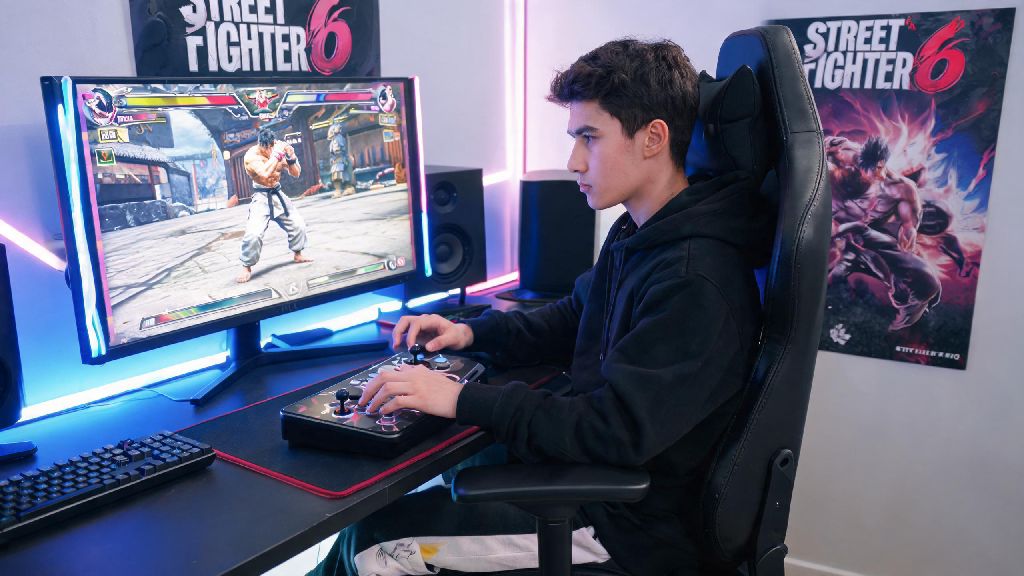
If you’ve ever spent 3 hours grinding ranked matches only to end up 200 rank points lower than you started, you know how frustrating it feels to put in time without seeing progress. Most new players assume more play time equals faster improvement, but that’s rarely the case for fighting games. If you’re tired of wasting hours on low-impact practice, this guide breaks down exactly how to level up faster in Street Fighter 6 with strategies used by pro players and high-rank competitors.
Prioritize Fundamentals Over Flashy Combos First
The biggest mistake new players make is spending 80% of their practice time learning 20-hit combos they almost never land in real matches. Fancy combos look cool, but they’re useless if you can’t stop your opponent from jumping in every 10 seconds or punishing you for every unsafe move you throw. anti-airing every jump-in is worth 10x more than landing a rare high-damage combo, and it’s far easier to master consistently.
There are only 3 core fundamentals you need to drill to get out of Bronze, Silver, and even Gold rank:
For example, if you main Ryu, your standing heavy punch is one of the most reliable anti-airs in the game, and you can drill reacting to jump-ins in training mode by setting the AI to jump at you randomly for 10 minutes a day. That small drill alone will get you out of most lower ranks, because 80% of low-rank players rely on jump-ins to deal damage. Even top pro players spend 30% of their practice time drilling fundamentals instead of learning new combos, so you know it’s not a waste of time. If you can anti-air consistently, punish unsafe moves, and control space properly, you’ll beat 90% of players who only practice combos.
How to Level Up Faster in Street Fighter 6 By Optimizing Your Practice Routine
Playing 10 hours of unranked casual matches a day isn’t practice, it’s just playing. Deliberate, focused practice is what actually moves the needle for improvement, and you can get more out of 2 hours of focused practice than 10 hours of mindless grinding. Split your play time 50/50 between training mode drills and real matches, and after every loss, take 2 minutes to note what beat you, then drill that scenario in training mode for 10 minutes before queuing again.
It’s also okay to take short breaks between practice sessions to avoid burnout, because fatigued players make the same mistakes over and over without learning. Many players like to take 5 to 10 minute breaks between sets to reset their focus, and casual, low-stakes games are a great way to step away without losing your rhythm entirely. If you're looking for a quick, low-effort distraction to fill that break time, you can check out YonoAppStore for short, casual games that fit perfectly into small gaps between practice rounds.
Another way to optimize your practice routine is to set specific goals for each session. Instead of just hopping in and playing ranked, set a goal like “I will anti-air 90% of jump-ins in my next 5 matches” or “I will practice punishing Drive Impact when it’s used on block”. Specific goals help you focus on improving one thing at a time, instead of trying to fix every mistake at once. Limit your ranked play sessions to 90 minutes max — after that, your reaction time drops by as much as 20% according to esports performance studies, and you start making emotional, sloppy plays that cost you rank points. It’s better to play 3 focused 90-minute sessions a week than one 6-hour marathon session where you end up tilted and losing more rank than you gain.
Study Pro Play and Your Own Match Replays
A lot of players think they just need to play more to get better, but studying is half the battle for fast improvement. First, find 1 or 2 pro players who main the same character as you, and watch their tournament matches. Pay attention to how they move, when they push block, when they take risks, and how they respond to common pressure scenarios. You don’t have to watch full 2-hour tournaments, even 10 minute clips of their ranked play will give you tons of useful insights.
For example, if you main Kimberly, watch pro players like Punk play her, and pay attention to how he uses her run and teleport moves to mix up opponents. You’ll notice he doesn’t use teleport every time it’s off cooldown, he uses it strategically when his opponent is expecting a different attack. You don't need to copy every move they make, but you can pick up small habits that will make a huge difference in your play.
The most important thing you can do, though, is watch your own match replays. After every ranked session, watch 2 or 3 of your losses, and pause every time you die to note exactly what mistake you made. Was it a missed anti-air? A bad jump in? A punish you missed? Write those mistakes down, and drill them in training mode before your next session. So many players skip reviewing replays because it’s frustrating to watch yourself lose, but it’s the fastest way to spot bad habits you don’t notice while you’re playing. Don’t just watch your losses either, watch your wins too. See what worked, and double down on those strengths to make them even more effective.
Stick to One Main Character Until You Hit Your Target Rank
I see so many new players switch characters every other week because they lost a couple matches, and that’s one of the biggest things holding them back from fast improvement. Every character in Street Fighter 6 has unique frame data, combo routes, movement quirks, and matchups that take dozens of hours to learn fully. If you switch between Ryu, Jamie, and Kimberly every week, you’ll never build the muscle memory you need to execute moves consistently under pressure.
It can be tempting to switch to a new character when you see a pro pull off a cool combo with them, but remember that pro has spent hundreds of hours mastering that character. You’re not seeing all the losses and practice they put in to get to that point. It's okay to try other characters in casual matches for fun, but keep one dedicated main for ranked play until you hit the rank you're aiming for. Once you hit Platinum or Diamond, you’ll have a much better grasp of core mechanics, so picking up a new character will take half the time it would take you now.
Another benefit of sticking to one main is that you’ll learn all the common matchups, so you’ll know exactly what to expect when you play against a Ryu, a Ken, or a Jamie. You’ll know which of their moves are punishable, what their go-to mixups are, and how to counter their gameplan. This matchup knowledge will carry over even if you do switch characters later, so it’s never a waste of time to learn matchups deeply for your main.
At the end of the day, getting better at Street Fighter 6 doesn’t have to mean grinding 12 hours a day. It’s about working smarter, not harder, and focusing on the things that actually move the needle instead of wasting time on low-impact practice. You don’t need natural talent or fast reflexes to hit high ranks, you just need consistent, focused practice and a willingness to fix your mistakes. Now that you know how to level up faster in Street Fighter 6, hop in training mode, drill those fundamentals, and you’ll be climbing ranks before you know it.